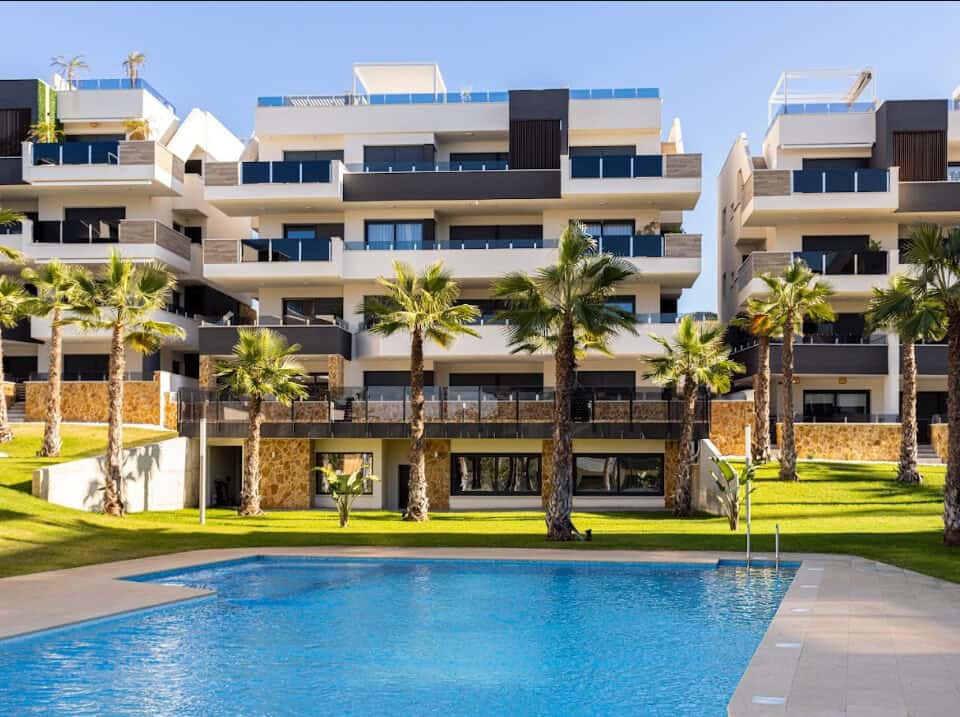
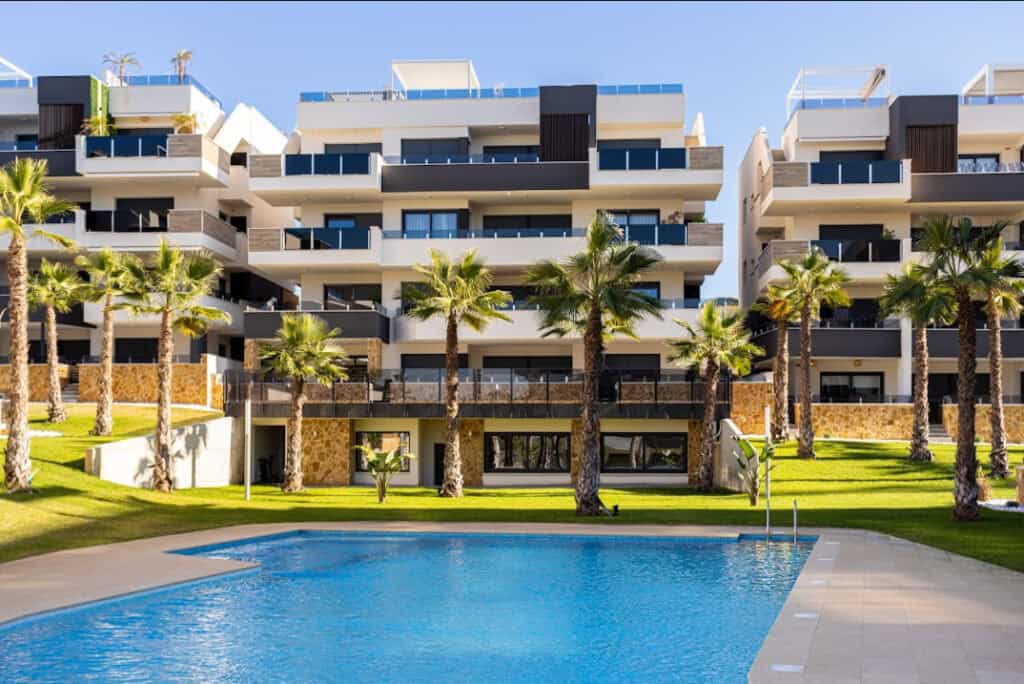
For multifamily property owners and managers, amenities can be a major selling point. Swimming pools, fitness centers, playgrounds, clubhouses, dog parks, and sports courts help attract and retain residents while creating a stronger sense of community.
However, these same amenities can also become some of the largest sources of liability claims. Unfortunately, many apartment owners assume their insurance policy automatically covers every incident that occurs on their property. The reality is that coverage often depends on the circumstances of the loss, the condition of the property, and the specific terms of the policy.
Understanding what your insurance policy actually covers—and what it may not cover—can help prevent unpleasant surprises when a claim occurs.
Why Amenities Create Increased Liability Exposure
Every amenity adds an additional layer of risk to a multifamily property. The more opportunities residents and guests have to gather, exercise, swim, play, or socialize, the more opportunities there are for accidents and injuries.
Insurance carriers recognize this reality. In fact, underwriters often pay close attention to a property’s amenities when evaluating a multifamily account.
Common claims involving amenities include:
- Slip-and-fall injuries
- Drowning incidents
- Near-drowning accidents
- Playground injuries
- Fitness equipment accidents
- Dog bite claims
- Assault and security-related incidents
- Property damage caused by residents or guests
Because of the severity of these potential claims, amenities frequently receive additional underwriting scrutiny.
Swimming Pools: Your Largest Liability Exposure
Few amenities create more concern for insurance carriers than swimming pools.
Pools are attractive to residents, but they also represent one of the highest-severity liability risks on a multifamily property. Even a single incident can result in significant legal expenses, medical costs, and settlements.
Most multifamily liability policies generally provide coverage for bodily injury claims arising from pool-related accidents if the property owner is found legally responsible.
Examples may include:
- A resident slips on a poorly maintained pool deck
- A broken gate allows unauthorized access
- Inadequate lighting contributes to an injury
- Pool equipment creates a hazardous condition
However, coverage is not automatic in every situation.
Many carriers require strict compliance with safety standards, including:
- Self-latching gates
- Proper fencing
- Posted safety signage
- Depth markers
- Regular inspections
- Compliance with local regulations
If a claim investigation reveals significant negligence or known safety violations, coverage disputes can arise and legal defense becomes far more complicated.
What Your Policy Typically Covers
A standard multifamily general liability policy is designed to respond to claims alleging bodily injury or property damage caused by the negligence of the property owner or management company.
Examples of potentially covered claims include:
Bodily Injury
If a resident slips near the pool, falls in a clubhouse, or is injured due to a hazardous condition on the property, the liability policy may provide coverage for:
- Medical expenses
- Legal defense costs
- Settlements
- Court-awarded damages
Property Damage
If the property owner is legally responsible for damage to another person’s property, the liability policy may provide protection.
Legal Defense Costs
Even when allegations are unfounded, defending a lawsuit can be extremely expensive. One of the most valuable components of a liability policy is the carrier’s obligation to provide legal defense.
Defense expenses can quickly reach tens or hundreds of thousands of dollars, even when no settlement is ultimately paid.
What Your Policy May Not Cover
One of the biggest misconceptions among multifamily owners is believing every accident automatically results in insurance coverage.
Several situations may fall outside the scope of coverage.
Known Maintenance Issues
Insurance is intended to cover sudden and accidental losses—not ongoing neglect.
If management is aware of a dangerous condition and fails to address it, coverage may become more complicated.
Examples include:
- Broken pool gates left unrepaired
- Known trip hazards
- Damaged playground equipment
- Defective fitness equipment
Documented maintenance programs can play a critical role in defending these claims.
Professional Services
Property managers occasionally assume their liability policy covers every business-related mistake.
However, professional advice, leasing errors, fair housing allegations, or administrative mistakes may require separate coverage such as Errors & Omissions (E&O) insurance.
Employee Injuries
If a maintenance employee is injured while servicing the pool or clubhouse, workers’ compensation coverage—not general liability—typically responds.
Intentional Acts
Intentional misconduct, criminal activity, or fraudulent behavior generally falls outside the protection provided by liability policies.
Fitness Centers and Gym Liability
Fitness centers have become one of the most requested apartment amenities.
Unfortunately, they also create significant exposure.
Potential claims include:
- Equipment malfunctions
- Falling weights
- Trip hazards
- Improper maintenance
- Electrical injuries
Many owners believe liability waivers signed by residents completely eliminate their risk. While waivers can be helpful, they rarely prevent all lawsuits and may not fully protect the property owner.
Underwriters often want to know:
- Is equipment professionally maintained?
- Are inspection records kept?
- Are usage rules clearly posted?
- Is access controlled?
Strong documentation can help reduce both claim frequency and claim severity.
Dog Parks and Pet Amenities
Pet-friendly communities continue to grow in popularity, but pet amenities introduce additional liability concerns.
Dog bite claims remain one of the most common liability losses involving pets.
Insurance carriers may evaluate:
- Breed restrictions
- Pet screening procedures
- Dog park fencing
- Posted rules
- Incident reporting procedures
Some policies contain animal liability exclusions or restrictions that property owners should understand before a claim occurs.
Assuming all pet-related incidents are covered can be a costly mistake.
Playgrounds and Recreational Areas
Families often view playgrounds as a major benefit when selecting an apartment community.
However, playgrounds are also frequent sources of injury claims.
Underwriters often look for:
- Proper fall surfaces
- Equipment inspections
- Age-appropriate equipment
- Maintenance documentation
- Compliance with safety standards
Regular inspections can demonstrate proactive risk management and may help reduce liability exposure.
Security-Related Claims
Many multifamily owners are surprised to learn that security-related claims can create substantial liability concerns.
Common allegations include:
- Inadequate lighting
- Broken gates
- Faulty locks
- Lack of security measures
- Failure to address known criminal activity
While insurance may provide defense in some situations, allegations of negligent security can become extremely costly.
Property owners should regularly evaluate security measures throughout the community, particularly in common areas and amenity spaces.
Umbrella Liability: An Important Layer of Protection
Because amenity-related claims can become severe, many multifamily owners purchase umbrella liability coverage.
An umbrella policy provides additional limits above the underlying liability policy.
For example, if a serious injury claim exceeds the primary liability limit, the umbrella policy may provide additional protection.
With today’s litigation environment and rising settlement values, umbrella coverage is becoming increasingly important for multifamily property owners.
Final Thoughts
Pools, fitness centers, playgrounds, dog parks, and other amenities help make multifamily communities more attractive and competitive. However, they also create liability exposures that can significantly impact a property’s insurance program.
The good news is that many of these risks can be managed through strong maintenance practices, routine inspections, documented safety procedures, and proper insurance planning.
The most successful multifamily owners understand that insurance is only one piece of the risk management puzzle. By combining proactive property management with a well-structured insurance program, owners can better protect their residents, their assets, and their long-term investment.
Before your next renewal, take time to review your amenities, discuss coverage details with your insurance advisor, and ensure your liability program is aligned with the unique exposures your property faces. The best time to identify a coverage gap is before a claim—not after one occurs.