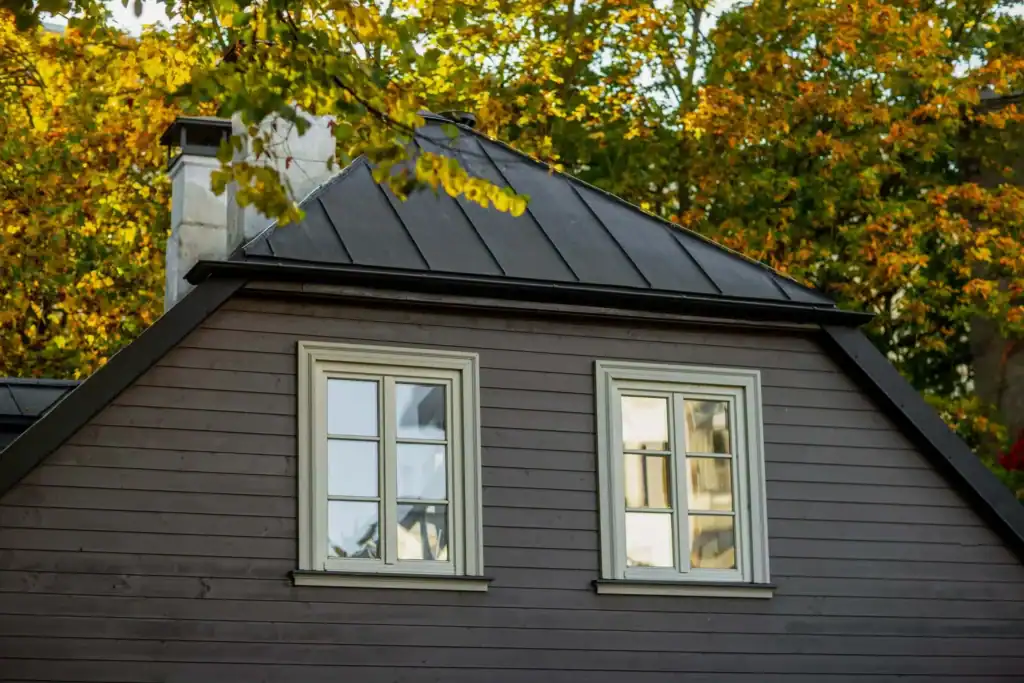
Owning a home in Texas comes with responsibilities, including protecting your property with the right type of insurance. But what happens when your house is vacant or unoccupied? Many homeowners assume their standard homeowners insurance will cover an empty home, but that may not always be the case.
At Ramey King Insurance, we help Texas homeowners understand the options available for vacant home insurance and the factors that could influence coverage.
What Does Vacant or Unoccupied Really Mean?
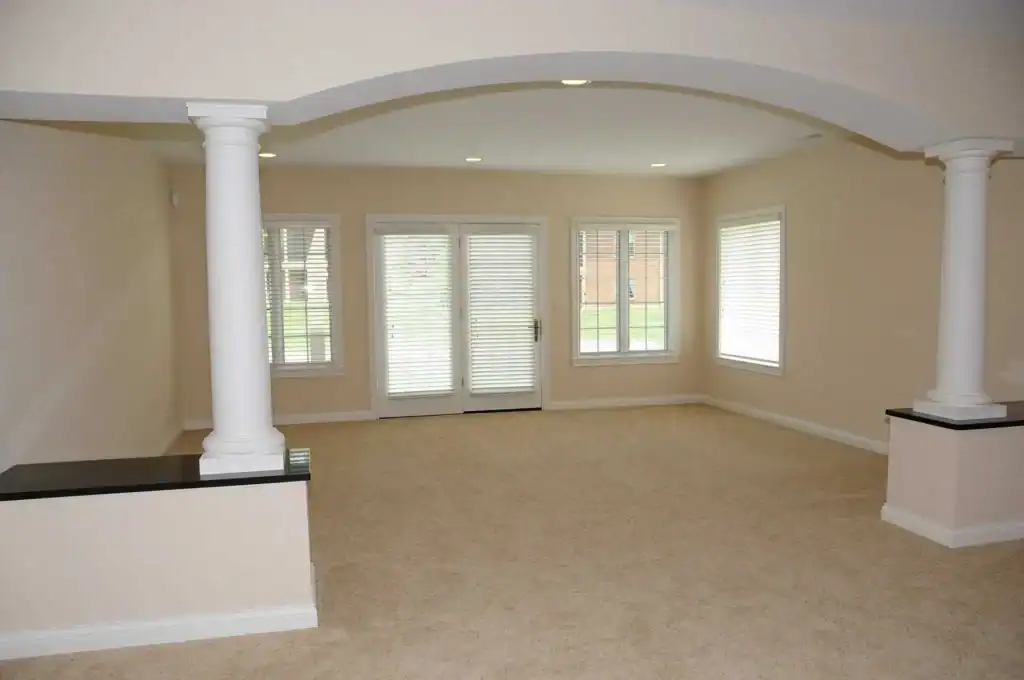
A vacant or unoccupied home typically refers to a property that does not have residents living in it for an extended period. This can happen for a variety of reasons, such as renovations, relocating for work, or trying to sell a house. While the definitions may differ slightly between insurance providers, insurers often view vacant homes as higher risk due to the increased likelihood of damage, theft, or vandalism.
In Texas, where weather events like hail storms, wind damage, and occasional flooding are common, the risks associated with an empty home can be particularly concerning. Insurance carriers may look closely at how long the home has been vacant, whether utilities are shut off, and whether the property is being monitored or maintained.
Does Standard Homeowners Insurance Cover a Vacant Home?
Most standard homeowners insurance policies assume the property is occupied and may limit coverage if the home sits empty for a period. Policies sometimes include clauses that reduce or exclude coverage after a home has been vacant for a certain number of days. For example, some insurers may reduce coverage after 30 to 60 days of vacancy.
This does not mean a standard policy cannot cover some incidents, but coverage gaps can appear for issues like fire, theft, or water damage. Texas homeowners who plan to leave their homes empty for an extended period may find that their existing policy may not fully protect their investment.
Why Might Vacant Homes Be Considered Higher Risk?
Vacant homes can attract more risks than occupied properties. Empty homes in Texas may be more susceptible to vandalism, break-ins, or illegal activity since no one is present to monitor the property. Additionally, maintenance problems can go unnoticed, such as plumbing leaks or roof damage, which may worsen over time.
Weather-related risks can also be amplified. Texas homes left unoccupied may experience damage from hail, high winds, or even flash floods without immediate detection. Insurance providers often factor these risks into their considerations when offering vacant home insurance options.
What Types of Coverage Are Typically Available for Vacant Homes?
Insurance providers may offer specialized policies or endorsements for vacant homes. These options are designed to address the unique risks of leaving a home empty for extended periods. In Texas, some policies may provide coverage for fire, wind, theft, vandalism, or liability while the property is unoccupied.
Endorsements can sometimes be added to existing homeowners policies to help fill gaps. However, the availability and terms can vary depending on the insurance company and the property’s location. Factors like the home’s condition, security features, and the length of vacancy may influence coverage options.
How Long Can a Home Be Vacant Before Coverage Changes?
Policies may define vacancy periods differently, but coverage adjustments or restrictions often occur after 30 to 60 days. Some insurers may require homeowners to notify them if the home will be unoccupied for longer than a specific time. Failure to inform the insurer could result in denied claims or limited protection in the event of damage.
For Texas homeowners, it is helpful to check policy language carefully. Certain types of incidents, such as frozen pipes or weather-related damage, may be excluded if the home is left empty for extended periods without maintenance.
Are There Steps Homeowners Can Take to Protect a Vacant Property?
Even with vacant home insurance, proactive measures can reduce risk. Regular property inspections, installing security systems, and maintaining landscaping can help prevent damage or unwanted attention. Some Texas homeowners choose to winterize plumbing, secure windows and doors, or hire a property management service to monitor the home while it is unoccupied.
Documentation and clear communication with your insurance provider can also make a difference. Keeping records of maintenance, inspections, and any security measures may help in case a claim is needed.
Does Location Affect Vacant Home Insurance in Texas?
Location can play a significant role in insurance considerations. Homes in urban areas may face higher risks of theft or vandalism, while rural properties may experience different types of weather-related threats. Texas is a large state with diverse climates, so insurers often evaluate regional factors, including local crime rates, building codes, and the frequency of natural disasters, when assessing risk for vacant home insurance.
What Should Texas Homeowners Do Before Leaving a Home Vacant?
Before leaving a Texas home vacant, it is recommended to review your current policy and speak with an insurance professional. Notifying your insurance provider of extended vacancy, updating security measures, and documenting the condition of your home can all contribute to a smoother insurance experience.
Additionally, exploring specialized vacant home insurance policies or endorsements may provide added peace of mind. While no policy can eliminate risk entirely, understanding available options and taking proactive steps can make a meaningful difference for Texas homeowners.

How Can Ramey King Insurance Help Texas Homeowners?
At Ramey King Insurance, we work with homeowners across Texas to explore coverage options that fit their unique situations. Our team can provide guidance on vacant home insurance, policy endorsements, and risk management strategies. Understanding the potential gaps in a standard homeowners policy and evaluating available options can help protect your investment while your home is unoccupied.
We take the time to review each property and discuss the length of vacancy, security measures, and potential hazards. By examining these factors, we can help homeowners make informed decisions about insurance coverage and risk mitigation.
Reach out to our team today to get started on homeowners insurance.