
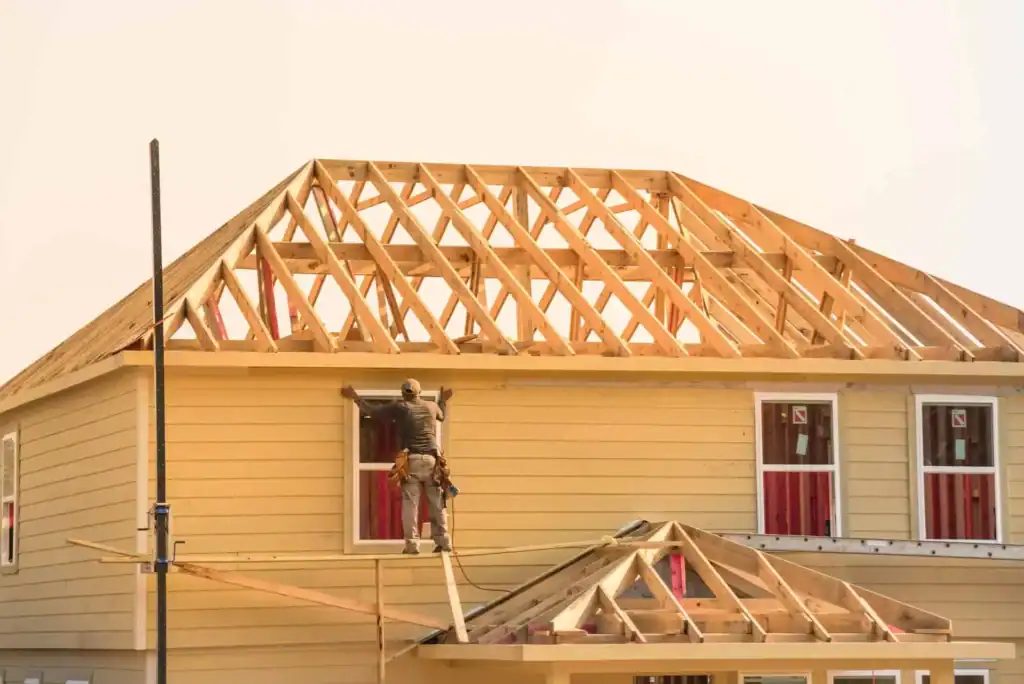
Texas contractors know that every jobsite brings new challenges. From tight timelines to heavy equipment and changing weather conditions, the work demands focus, skill, and preparation. One unexpected incident could slow down progress or affect a project’s budget. That is one reason many contractors look for insurance solutions that align with the realities of the construction industry.
At Ramey King Insurance, contractors across Texas often explore coverage options that may help address common risks associated with construction work. Contractors Insurance can be designed to support businesses of different sizes, trades, and project types. When structured thoughtfully, a policy may help contractors stay focused on the job while helping address potential exposures in the background.
Below are several questions contractors frequently ask when evaluating insurance options in Texas.
Why Do Contractors In Texas Consider Contractors Insurance?
Contracting work often involves a mix of physical labor, specialized tools, employees, and jobsite coordination. Each of these factors can introduce potential risks that might affect a business financially.
Contractors Insurance generally refers to a combination of coverages that may help address exposures related to construction operations. These policies are often customized depending on the contractor’s trade, company size, and the types of projects handled.
For example, electricians, roofers, plumbers, and general contractors may all face different risks on a jobsite. Because of that, insurance solutions in Texas are often structured with flexibility in mind. Policies may be designed to reflect the contractor’s operations rather than applying a one size fits all approach.
Contractors across Texas sometimes explore coverage options not only to help manage risk, but also because certain projects or clients may request proof of insurance before work begins.
What Types Of Coverage Are Often Included In Contractors Insurance?
Contractors Insurance can include several types of coverage that work together to address different areas of risk. While policies can vary, some commonly discussed options include general liability, commercial property, and workers compensation coverage.
General liability coverage may help address claims involving third party injuries or property damage connected to a contractor’s operations. For example, if someone were injured near a jobsite or property damage occurred during a project, this type of coverage might help respond depending on the policy details.
Commercial property coverage may help protect business property such as tools, equipment, or office space. Construction businesses often rely on specialized equipment, and damage or loss could disrupt operations.
Workers compensation insurance may also be part of a contractor’s risk strategy. This coverage is often associated with workplace injuries or illnesses affecting employees. Requirements can vary depending on business structure and state guidelines.
Contractors in Texas frequently review these options with an insurance professional to better understand how different policies could work together.
How Can Contractors Insurance Help Protect Tools And Equipment?
Tools and equipment are essential to nearly every construction project. From power tools and ladders to large machinery, contractors rely on these assets daily to complete jobs efficiently.
Some insurance policies may offer protection related to equipment damage, loss, or theft. Coverage options can sometimes extend to tools stored at a jobsite, transported between locations, or kept at a business location.
For contractors who move equipment frequently across Texas job sites, this type of coverage may be worth discussing with an insurance professional. Depending on the policy structure, contractors might explore coverage that aligns with how and where equipment is used.
Since the value of construction equipment can vary widely, policies are often reviewed periodically to help ensure coverage levels remain aligned with the contractor’s operations.
What Risks Do Texas Job Sites Often Present?
Construction environments can be complex. Job sites often involve multiple contractors, moving vehicles, elevated work areas, and specialized materials. These factors may increase the potential for accidents, property damage, or delays.
Weather can also play a role in Texas construction projects. Sudden storms, wind, or extreme heat may affect project timelines or equipment conditions.
Contractors Insurance may help address some of the financial risks associated with these situations. While coverage details depend on the specific policy, insurance solutions are often explored as part of a broader risk management strategy.
Many contractors view insurance as one component of protecting their business alongside safety protocols, employee training, and project planning.
How Do Texas Contractors Customize Their Insurance Coverage?
No two contracting businesses operate exactly the same way. A general contractor managing large commercial builds may face different exposures than a small residential remodeling company.
Because of this, Contractors Insurance is often tailored to reflect the contractor’s specific operations. Customization may include adjusting coverage limits, selecting optional endorsements, or combining multiple policies.
For instance, contractors who frequently transport equipment might explore inland marine coverage options. Others who work with subcontractors might review how liability protections interact with contractual agreements.
Working with an insurance agency familiar with Texas industries can sometimes help contractors evaluate these choices. The goal is often to create a coverage structure that reflects how the business actually operates.
When Should Contractors Review Their Insurance Coverage?
Contracting businesses can evolve over time. A company may expand its services, hire additional employees, purchase new equipment, or begin working on larger projects.
Because of these changes, many contractors periodically review their insurance policies. A policy that aligned with a business a few years ago may benefit from adjustments if operations have grown or shifted.
Common times for a review might include the start of a new construction season, after purchasing major equipment, or when bidding on larger contracts. Reviewing coverage with an insurance professional may help identify areas where adjustments could be considered.
Regular discussions can also provide an opportunity to ask questions and ensure policies still reflect the contractor’s current activities.
How Can Ramey King Insurance Support Texas Contractors?
Contractors across Texas often look for insurance partners who understand the pace and complexity of construction work. From managing tools and equipment to navigating project requirements, insurance needs can vary widely between businesses.
Ramey King Insurance works with Texas contractors to explore coverage options that may support their operations. By discussing project types, workforce size, and equipment needs, the agency can help identify policies that align with the contractor’s goals and potential risks.
While no policy removes every uncertainty from a construction project, having insurance designed with the contractor’s work in mind may provide an additional layer of financial protection.
For contractors who spend their days building homes, businesses, and infrastructure across Texas, having coverage that works alongside them on the jobsite can be an important part of running a resilient business.
If you are exploring insurance options for your contracting business, reach out to our team and we can help you review potential solutions and discuss coverage considerations for Texas contractors.