
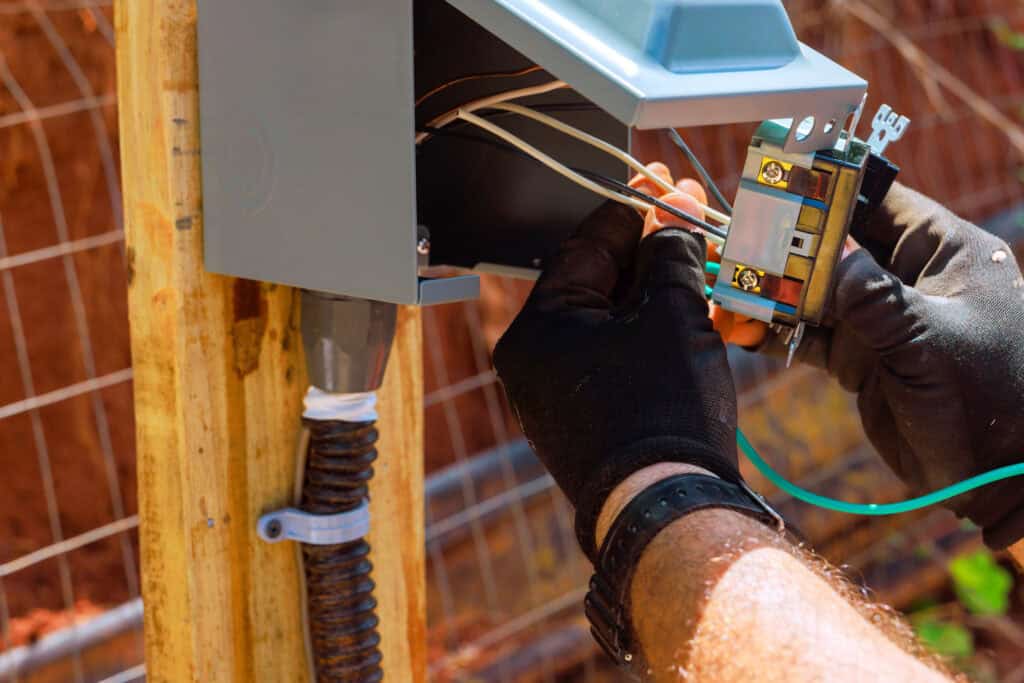
Electrical contractors face risks that extend well beyond accidental property damage or injuries at a job site. From faulty wiring and equipment breakdowns to employee injuries and work vehicle accidents, unexpected problems can disrupt projects and create costly financial obligations. While general liability insurance may provide an important foundation, it might not address every exposure an electrical business encounters.
For electricians working across Texas, building an insurance program around the actual demands of the trade can make a meaningful difference. Ramey King Insurance can help electrical contractors explore coverage options based on their operations, workforce, equipment, and contractual responsibilities. Understanding where general liability may fall short is a useful first step toward making informed decisions about Electrician Insurance.
What Risks Does General Liability Insurance Address for Texas Electricians?
General liability insurance may help address certain third-party bodily injury, property damage, and personal or advertising injury claims, depending on the policy. For example, if an electrician accidentally damages a customer’s flooring while completing an installation, a covered property damage claim may fall within the policy’s scope.
However, general liability is not designed to address every financial risk associated with running an electrical contracting business. It generally does not replace coverage for business vehicles, employee injuries, or the electrician’s own tools and equipment. Policy exclusions and limitations can also affect whether a particular claim qualifies.
Texas electricians may work in residential properties, commercial buildings, industrial facilities, and construction sites, each presenting different exposures. A contractor installing lighting in a retail store may face different risks than one handling electrical systems for a new commercial development. Evaluating these differences can help business owners determine whether additional policies or endorsements deserve consideration.
Why Should Electricians Consider Professional Liability Insurance?
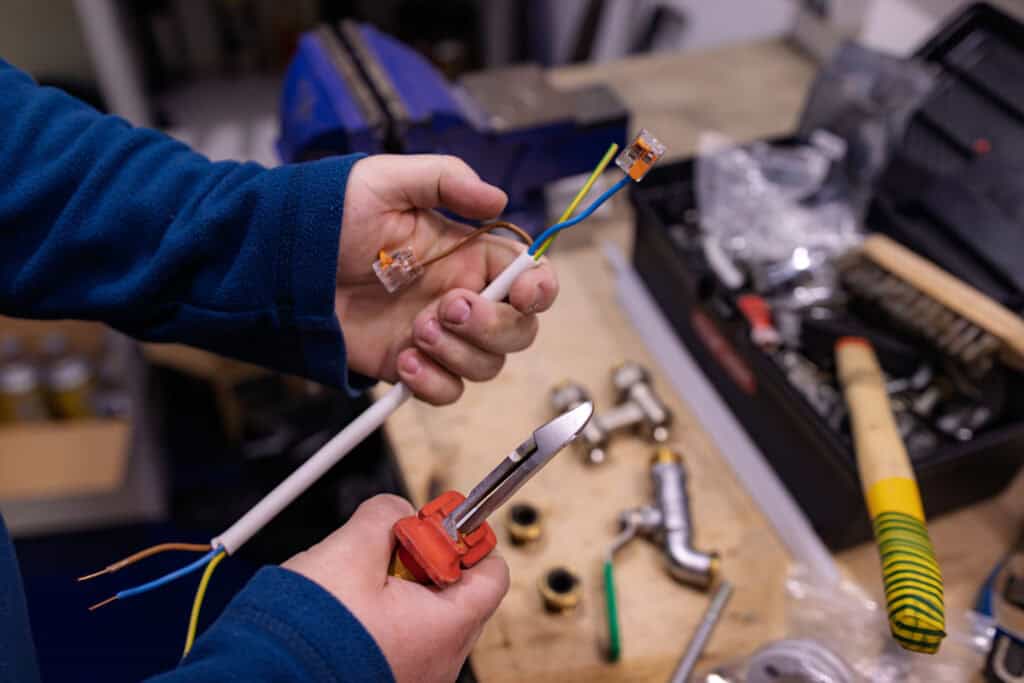
Electrical work requires technical knowledge, careful planning, and compliance with applicable codes and project specifications. Even when an electrician performs physical work correctly, a customer may allege that a design recommendation, specification, consultation, or other professional service caused financial harm.
Professional liability insurance, sometimes called errors and omissions insurance, may be worth considering for electricians who provide design services, electrical system planning, consulting, or other professional advice. Depending on the policy, it may address certain claims alleging negligence in the performance of covered professional services.
For instance, a commercial client might claim that an electrical system recommendation caused project delays or required expensive design changes. General liability insurance may not respond to a claim involving purely financial losses without covered bodily injury or property damage. Professional liability coverage could be relevant, depending on the allegations and policy terms.
Not every electrician needs the same level of professional liability protection. Contractors who strictly follow installation plans may have different exposures from businesses that design systems or advise clients on technical decisions. Reviewing the services offered can help determine whether this coverage belongs in a broader Texas Electrician Insurance program.
How Can Workers’ Compensation and Employers’ Liability Help?
Electricians often work around energized systems, ladders, confined spaces, and heavy materials. These conditions can increase the potential for workplace injuries, even when employees follow established safety procedures. An injury could lead to medical expenses, lost work time, and operational disruptions.
Workers’ compensation insurance may help provide benefits for eligible employees who experience work-related injuries or illnesses. Employers’ liability coverage, often associated with workers’ compensation policies, may address certain employer liability claims arising from workplace injuries, subject to policy terms.
Texas has different workers’ compensation requirements from many other states, and many private employers can elect whether to subscribe to the state system, subject to applicable laws and exceptions. That flexibility does not eliminate the financial and legal considerations associated with employee injuries. Contractors may also encounter customer or general contractor requirements involving workers’ compensation documentation.
Electricians should review their workforce arrangements, including whether they use employees, subcontractors, or temporary labor. Contractual obligations and the circumstances of an injury can influence the coverage and responsibilities involved. Discussing these factors with an insurance professional can help business owners evaluate appropriate options.
What Insurance Options Can Help Protect Electrical Tools and Equipment?
Electrical contractors depend on specialized tools and equipment to complete jobs safely and efficiently. Multimeters, testing devices, power tools, ladders, and other equipment may represent a substantial investment, particularly for businesses managing several crews.
Commercial property insurance may cover certain business property at a covered location, depending on the policy. However, tools regularly transported between job sites may require a different approach. Inland marine insurance or a contractor’s tools and equipment policy may be worth exploring for eligible equipment that travels with employees.
Consider an electrician whose testing equipment is stolen from a work vehicle overnight. The cost of replacing those tools could affect the contractor’s budget and delay scheduled work. Whether a policy responds may depend on where the equipment was stored, how the loss occurred, applicable exclusions, and any coverage limits.
Business owners should estimate the replacement value of their equipment and consider how frequently it moves between locations. They should also review deductibles, item limits, theft restrictions, and whether rented or borrowed equipment requires separate consideration. Choosing coverage based on actual equipment use can help electricians avoid relying on assumptions about what an existing policy includes.
Why Is Commercial Auto Insurance Important for Electrical Contractors?
Vehicles are central to many electrical businesses. Contractors use vans and trucks to transport employees, wiring, tools, ladders, and materials between suppliers and job sites. Regular travel creates potential exposure to collisions, vehicle damage, and liability claims.
Personal auto insurance may not be appropriate for vehicles used primarily for business, depending on the policy and how the vehicle is operated. Commercial auto insurance may offer coverage options designed for business vehicle use, including certain liability exposures and physical damage to covered vehicles.
For example, an electrician traveling to a commercial project could be involved in a collision that injures another driver. Depending on the circumstances, commercial auto coverage may help address covered liability costs. Coverage for the contractor’s own vehicle may also be available when selected and subject to policy terms.
Texas electrical contractors should review how vehicles are owned, who drives them, and whether employees use personal vehicles for business errands. Businesses that transport expensive tools may also need to consider how vehicle coverage interacts with separate equipment protection. Reviewing these details can help align insurance with day-to-day operations.
How Can Texas Electricians Build an Insurance Program Around Their Business?
The right insurance program depends on more than the type of electrical work a contractor performs. Business size, annual revenue, employee count, project locations, equipment values, and contractual requirements can all influence insurance needs.
Contractors should also examine insurance requirements in customer agreements and subcontractor contracts. Required limits, additional insured provisions, and other terms can influence which policies or endorsements deserve attention. Coverage should be evaluated as a coordinated program rather than a collection of unrelated policies.

Where Can Texas Electricians Find Guidance on Insurance Options?
General liability insurance may provide an important starting point, but it is only one part of the risk management picture for many electrical contractors. Professional services, employee injuries, mobile equipment, and business vehicles can introduce exposures that deserve separate consideration.
Ramey King Insurance can help Texas electricians review their operations, identify potential coverage gaps, and explore insurance options suited to their businesses. Rather than assuming a standard policy addresses every risk, contractors can benefit from discussing their specific services, job sites, equipment, and contractual obligations.
As your electrical business grows, your insurance needs may change alongside your workforce, projects, and equipment investments. Contact Ramey King Insurance to discuss Electrician Insurance options in Texas and learn how a tailored insurance program may support your business as it takes on new opportunities.