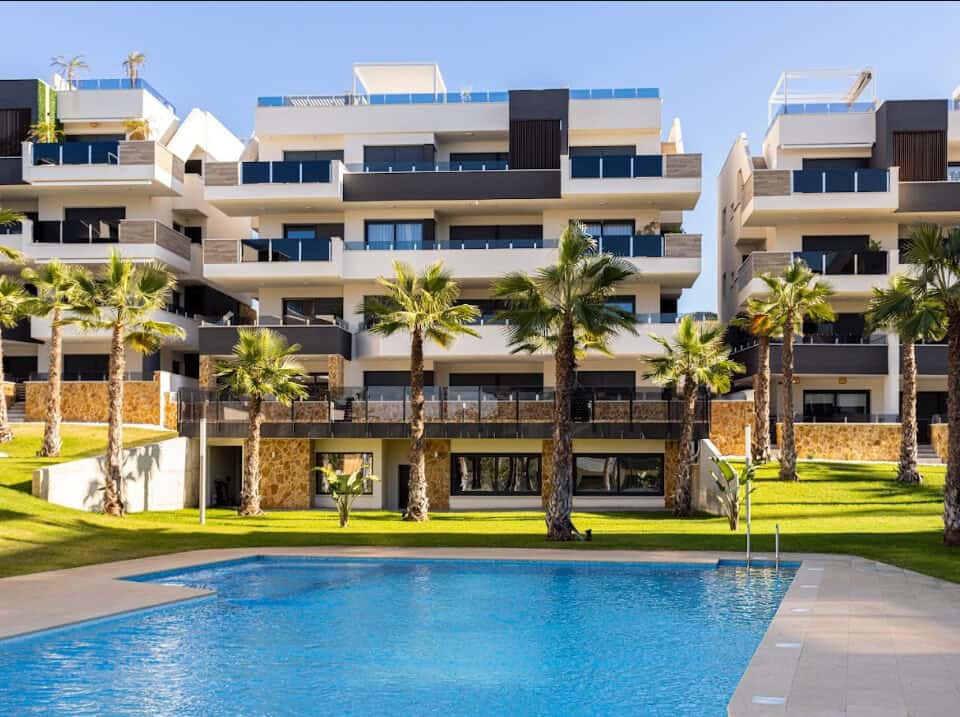
Owning and operating multi-family properties in Texas can be a steady source of income and long-term investment growth, but it also comes with a unique set of responsibilities. Duplexes, apartment buildings, and condominiums are not static assets. They are active environments with tenants, visitors, utilities, and ongoing maintenance needs that can change risk exposure at any time of day.
For property owners, this means risk management is not a once-a-year task. It is an ongoing process that benefits from careful planning, regular review, and thoughtful insurance considerations. At Ramey King Insurance, we work with Texas property owners to help them explore Multi-Family Property Insurance options that may align with their operational needs and long-term goals.
What Makes Managing Duplexes, Apartments, and Condos Different From Other Properties?
Multi-family properties operate differently from single-family homes or purely commercial buildings because they combine residential living with shared infrastructure. This combination can introduce layered responsibilities for owners and managers.
In many cases, multiple tenants share hallways, roofs, parking areas, plumbing systems, and electrical components. A single issue in one part of the property may affect several units at once. For example, a plumbing leak in one apartment could potentially impact neighboring units or common areas.
There is also the ongoing responsibility of tenant turnover. Each new lease may bring different levels of risk, maintenance expectations, and property usage patterns. Even well-maintained properties can experience unexpected wear and tear due to frequent occupancy changes.
Because of these factors, managing multi-family real estate is not only about maintaining the physical structure. It is also about anticipating how everyday use by multiple households can influence long-term property conditions and liability exposure.
Why Is Risk Management Especially Important for Texas Multi-Family Properties?
Texas presents its own unique environmental and regulatory considerations that can influence property risk. Weather patterns alone can introduce uncertainty, from severe thunderstorms and hail to wind events and occasional flooding in certain regions.
For owners of duplexes, apartments, or condos, these conditions may increase the importance of having a broader risk management strategy in place. Roof systems, exterior materials, and drainage infrastructure can all be impacted by regional weather activity over time.
Additionally, Texas is a large and diverse state with varying building codes and local requirements. What applies in one municipality may differ in another, which can affect how properties are maintained and managed.
Multi-family property owners may also face liability considerations tied to tenant safety, shared spaces, and property accessibility. Even routine incidents such as slips and falls in common areas can create financial and legal complexities depending on the situation.
Because of these variables, many property owners in Texas consider how Multi-Family Property Insurance might help support their overall approach to managing risk across different conditions and locations.
What Types of Exposures Do Multi-Family Property Owners Commonly Face?
Owning multi-family real estate typically involves a combination of property-related and liability-related exposures. These exposures can vary based on property age, location, occupancy levels, and maintenance practices.
Property-related exposures may include risks such as fire, water damage, storm-related impacts, and equipment breakdown. Older buildings may also face additional concerns related to aging electrical or plumbing systems, which can contribute to unexpected maintenance needs.
Liability exposures are another important consideration. These may arise from tenant or visitor injuries in shared spaces such as stairwells, parking lots, or recreational areas. Even with regular upkeep, accidents can occur, and property owners may need to respond to those situations appropriately.
There may also be financial exposures tied to rental income interruptions. If a covered loss temporarily affects a portion of the property, rental income streams could be disrupted while repairs are underway, depending on the circumstances.
Understanding these potential risks does not mean expecting problems to occur, but rather recognizing the range of scenarios that can affect multi-family property operations in Texas.
How Can Multi-Family Property Insurance Help Support a Risk Strategy?
Multi-Family Property Insurance is often considered by property owners as part of a broader risk management strategy. While policy details can vary significantly, these types of insurance solutions are generally designed to address a range of property and liability exposures associated with rental housing.
For example, coverage options may help address damage to buildings and certain structures caused by covered events, though specific terms, conditions, and exclusions typically apply. Some policies may also offer considerations for loss of rental income if a property becomes temporarily uninhabitable due to a covered incident.
Liability protection is another area that property owners often review. Depending on the policy structure, this may help address legal or medical costs associated with third-party injuries occurring on the property.
It is important to note that no two properties are exactly alike, and insurance solutions are not one-size-fits-all. The age of the building, number of units, location in Texas, and tenant profile can all influence how coverage options are structured.
Working with an insurance agency like Ramey King Insurance can help property owners explore available options and better understand how different policy features may align with their specific needs.
What Should Property Owners Consider When Reviewing Coverage Options in Texas?
When evaluating Multi-Family Property Insurance in Texas, property owners may benefit from taking a closer look at both current property conditions and long-term investment goals.
One important consideration is replacement cost versus actual cash value. These valuation methods can significantly affect how a claim is evaluated, so understanding the difference may be helpful when comparing policy options.
Deductibles are another key factor. In regions of Texas where severe weather events are more common, deductible structures may vary based on the type of peril involved, such as wind or hail. Reviewing how deductibles apply in different scenarios can help clarify potential out-of-pocket responsibilities.
Owners may also want to consider how a policy addresses updates or improvements. Renovations, system upgrades, or expansions can change the overall value and risk profile of a property over time.
Finally, it can be useful to review any exclusions or limitations within a policy. These may vary widely depending on carrier and property type, and understanding them in advance can help reduce uncertainty later.
Because multi-family properties are dynamic assets, many owners in Texas find value in periodically reviewing their insurance approach rather than treating it as a static decision.
Why Work With An Agency Like Ramey King Insurance?
Ramey King Insurance works with property owners and managers who are navigating the complexities of multi-family housing risks, including those evaluating Multi-Family Property Insurance.
Because multi-family properties vary widely in size, location, and usage, having access to guidance can help clarify how different insurance options may align with specific needs. Agencies like Ramey King Insurance can help property owners review available policy structures, understand potential gaps, and consider how different coverage approaches may apply to duplexes, apartments, or condominiums.
Rather than taking a one-size-fits-all approach, multi-family insurance discussions often involve reviewing property details in depth, including building systems, occupancy levels, and regional risk factors. This can help support more informed decision-making when selecting insurance solutions.
Contact Ramey King Insurance today to discuss how we can help you tailor a multi-family property insurance policy that fits your unique property needs.