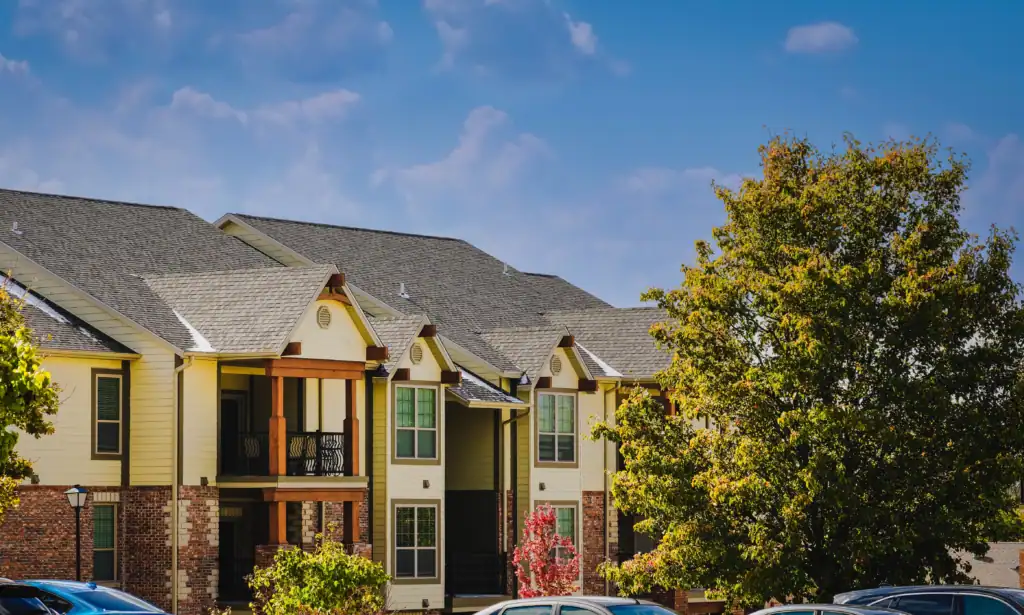
What Underwriters Scrutinize Most in Multifamily Accounts
Underwriters are looking closely at risk quality before offering terms, pricing, or even deciding whether to write an account at all. The underwriter is trying to pick the best of accounts that either have low claims activity or will work to improve their property and avoid claims.
Below are some of the biggest areas underwriters focus on when evaluating multifamily accounts.
1. Property Age and Roof Condition
the age of the property — especially the roof.
In Texas and other parts of the country, carriers have become cautious about older roofs due to rising weather-related claims, particularly hail and wind losses. Older roofs are more susceptible to damage.
Underwriters commonly ask:
- When was the roof last replaced?
- What type of roofing material is installed?
- Are there maintenance records available?
- Have there been prior storm claims?
- Was the roof replaced fully or partially?
2. Loss History
Underwriters typically review 3–5 years of prior claims history and evaluate not just the frequency of losses, but the patterns behind them. They try to predict future claims based on past claims
Some common red flags include:
- Frequent water damage claims
- Repeated liability incidents
- Mold-related losses
- Poor claim resolution practices
- High volume of small “maintenance-type” claims
- Have plumbing systems been updated?
- Are leak detection systems installed?
- Are vacant units inspected regularly?
- Is there a preventative maintenance program?
Repeated claims can create concern about operational management and future predictability.
3. Electrical, Plumbing, and HVAC Updates
Older electrical systems, galvanized plumbing, or outdated HVAC systems can significantly increase the probability of claims.
- Electrical panel types
- Wiring updates
- Plumbing materials
- Water heater age
- HVAC maintenance schedules
Certain electrical panels or aluminum wiring may automatically trigger declinations with some carriers. Galvanized plumbing is another major concern due to the higher likelihood of leaks and water damage.
Properties that have completed substantial renovations or system upgrades need to provide dates of updates as well as specific details.
4. Crime Scores and Location Analytics
High crime scores can lead to a propensity for future crime related claims as well as limitations in coverage provided based on this.
- Crime scores
- Fire protection class
- Distance to fire stations
- Catastrophe exposure
- Litigation trends
- Socioeconomic data
- Weather modeling
Properties located in high-crime areas may face higher liability concerns, increased vandalism exposure, or elevated theft losses.
5. Property Management Quality
A well-managed property often performs better from an underwriting standpoint than a poorly managed newer property.
- Tenant screening procedures
- Maintenance response times
- Security protocols
- Contract management
- Vendor oversight
- Emergency response planning
Strong property management can reduce claim frequency and severity significantly.
Underwriters may ask:
- Is there onsite management?
- Are maintenance requests tracked?
- Are background checks performed on tenants?
- Are certificates of insurance collected from vendors?
- Are incident reports documented consistently?
6. Deferred Maintenance
Deferred maintenance is one of the fastest ways for a multifamily account to create underwriting concern.
Visible signs of neglect can immediately impact underwriting perception, including:
- Broken stair rails
- Cracked walkways
- Poor lighting
- Unrepaired leaks
- Trip hazards
- Damaged siding
- Overgrown landscaping
Routine inspections and documented maintenance programs can go a long way toward improving underwriting results. Have a good capex plan to improve the property deficiencies.
7. Occupancy and Tenant Demographics
Underwriters also review occupancy trends and the overall stability of the tenant base.
High vacancy rates may create concerns about:
- Increased vandalism
- Water damage going unnoticed
- Reduced maintenance budgets
- Financial instability
Stable occupancy and strong operational oversight generally improve underwriting confidence.
8. Prior Insurance and Coverage Gaps
Underwriters pay close attention to prior insurance history.
- Frequent carrier changes
- Lapses in coverage
- Large premium financing issues
- Low prior limits
- Significant deductible changes
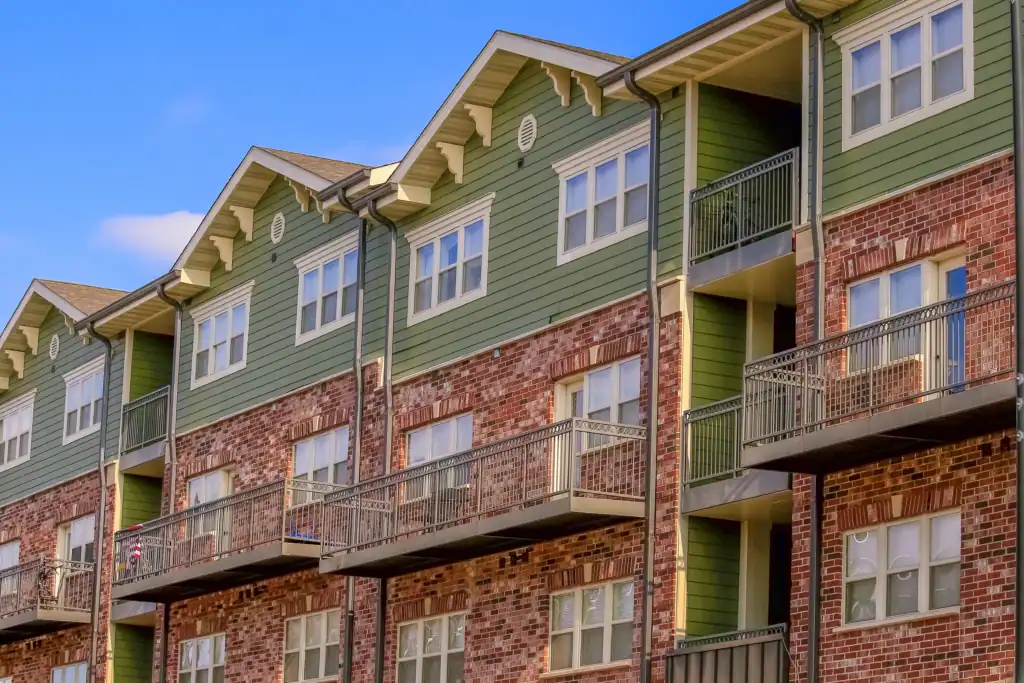
What Multifamily Underwriters Are Really Looking For in 2026
9. Wind and Hail Deductible Structures
Underwriters review whether ownership understands: underwriters will reward a clients that will take on a larger share of the risk.
- Wind/hail deductibles
- Per-building minimum deductibles
- Named storm deductibles
- Actual cash value roof endorsements
- Roof schedules
Properties with older roofs may face:
- Higher deductibles
- Cosmetic damage exclusions
- Roof payment schedules
- Actual cash value settlements instead of replacement cost
A client swill want to understand their deductible structure prior to a claim occurring.
10. Overall Pride of Ownership
An underwriter want so to see pride of ownership.
Properties that appear clean, maintained, organized, and professionally managed typically perform better during underwriting review. Help sell your property account to an underwriter.
- Updated photos
- Clean common areas
- Well-maintained landscaping
- Organized documentation
- Professional submissions
A great insurance submission package can make a meaningful difference in underwriting outcomes.