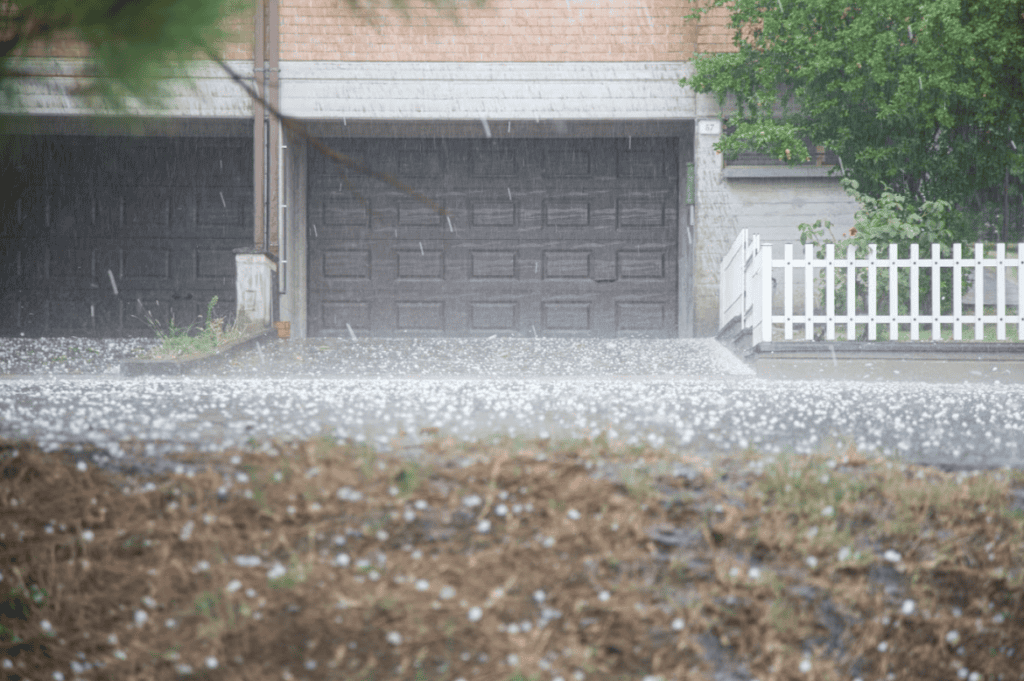
For large multifamily owners in Texas, wind and hail deductibles are no longer just a line item on a policy—they are a event waiting to happen.
As carriers continue to shift risk back to property owners, deductibles have quietly become one of the largest financial exposures in a portfolio. Yet many owners still evaluate them in isolation rather than modeling their true portfolio-wide impact.
If you own or manage 100+ unit properties, this is where strategy—not just coverage—matters.
The Shift: Deductibles Are No Longer “Small Loss Protection”
Historically, insurance absorbed most catastrophic loss costs. Today, that dynamic has changed:
- 1% → 2% → 3% wind/hail deductibles are now common
- Per-building deductibles are replacing per-occurrence structures
- Carriers are pushing higher minimums ($25K, $50K, or more per building)
For a single property, this may seem manageable although much higher than a budget permits.
Let’s break it down:
- 20-building complex
- Insured value per building: $2M
- 2% wind/hail deductible
- $25,000 minimum per building
Scenario:
A hailstorm damages 12 buildings.
👉 Deductible per building: $40,000
👉 Total out-of-pocket: $480,000 before insurance responds
Now multiply that across multiple properties or events in a single year.
This is why large multifamily owners must shift from:
“What is my deductible?”
to
“What is my total retained risk across the portfolio?”
The 4 Critical Factors Large Owners Must Model
1. Per-Building vs. Per-Occurrence Deductibles
This is one of the most misunderstood (and most expensive) distinctions.
- Per Occurrence: One deductible per event
- Per Building: A deductible applied to every affected structure
👉 In large complexes, this difference can mean hundreds of thousands in additional exposure
2. CAT Concentration
Texas portfolios often have high geographic clustering
- DFW hail corridors
- Gulf wind exposure
- Regional storm patterns
If multiple assets are hit in one event, deductibles stack quickly.
👉 Key question:
“What happens if 40–60% of my portfolio is impacted in a single storm?”

3. Cash Flow & Liquidity Readiness
Deductibles are not theoretical—they require immediate capital.
Owners must evaluate:
- Available reserves
- Access to liquidity
- Impact on distributions
- Lender restrictions
👉 A large deductible without a funding strategy becomes an operational disruption, not just an insurance issue.
4. Frequency vs. Severity Strategy
Many large portfoliosand regions are being penalized for claims frequency, not just severity.
- Smaller claims = higher scrutiny
- Loss history impacts renewals
- Deductibles can be used strategically to reduce claim activity
👉 Smart operators ask:
“Should we absorb more small losses to protect long-term insurability?”
The Hidden Risk: Modeling Only One Property at a Time
One of the biggest mistakes we see:
Owners evaluate deductibles asset-by-asset, instead of portfolio-wide.
This leads to:
- Underestimating total exposure
- Inconsistent risk tolerance
- Surprises during large events
👉 Insurance decisions should align with:
- Portfolio strategy
- Investor expectations
- Risk tolerance at scale
Strategic Options Large Owners Should Consider
Depending on portfolio size and sophistication, options may include:
- Adjusting deductible levels across the portfolio
- Layered insurance structures
- Self-insured retention (SIR) strategies
- Captive participation (in some cases)
- Dedicated catastrophe reserves
There is no one-size-fits-all answer—but there is always a right strategy for your portfolio.
Final Thought: Deductibles Are a Business Decision
Wind and hail deductibles are no longer just an insurance decision—they are a financial strategy decision.
The question is not:
“Can I afford this deductible on paper?”
The real question is:
“Am I prepared for this deductible across my portfolio, in a real event, this year?” do you have the funds or access to funds to pay the deductible.
Why Investors Should Care
Inadequate modeling of wind and hail deductibles introduces a level of volatility that directly impacts investor returns. Large, unplanned deductible obligations can disrupt cash flow, delay capital projects, and force reallocations that dilute projected yields. During active storm cycles, these pressures often compound—reserves decline, asset performance diverges from underwriting assumptions, and distributions become less predictable.
From an investor’s perspective, insurance structure is not merely a risk transfer mechanism; it is a core component of portfolio governance. Increasingly, institutional and sophisticated private capital evaluate whether sponsors understand how deductible structures behave under real catastrophe scenarios, not just worst-case loss limits. Portfolios that appear well insured can still carry outsized retained risk if deductibles are misaligned with liquidity, geography, or concentration. Proactive deductible modeling enhances transparency, protects downside risk, and signals disciplined asset management—transforming insurance from a reactive expense into a strategic tool that supports long-term portfolio stability and investor confidence.

Call to Action
If you own or manage a large multifamily portfolio in Texas, now is the time to evaluate your true exposure.
We help owners model:
- Total deductible exposure across assets
- Storm scenario impact
- Claims strategy vs. insurability
- Portfolio-level risk alignment
👉 Schedule a Portfolio Deductible & Risk Review