
If you have properties renewing between now and the end of the year, the clock is already running. Underwriters typically want complete submissions well before the effective date, and for January 1 renewals that window is closing fast. The good news is that the owners who show up organized tend to get better terms, fewer surprises, and more options.
Here’s what we’re seeing heading into year-end and how to get ahead of it.
What to Expect
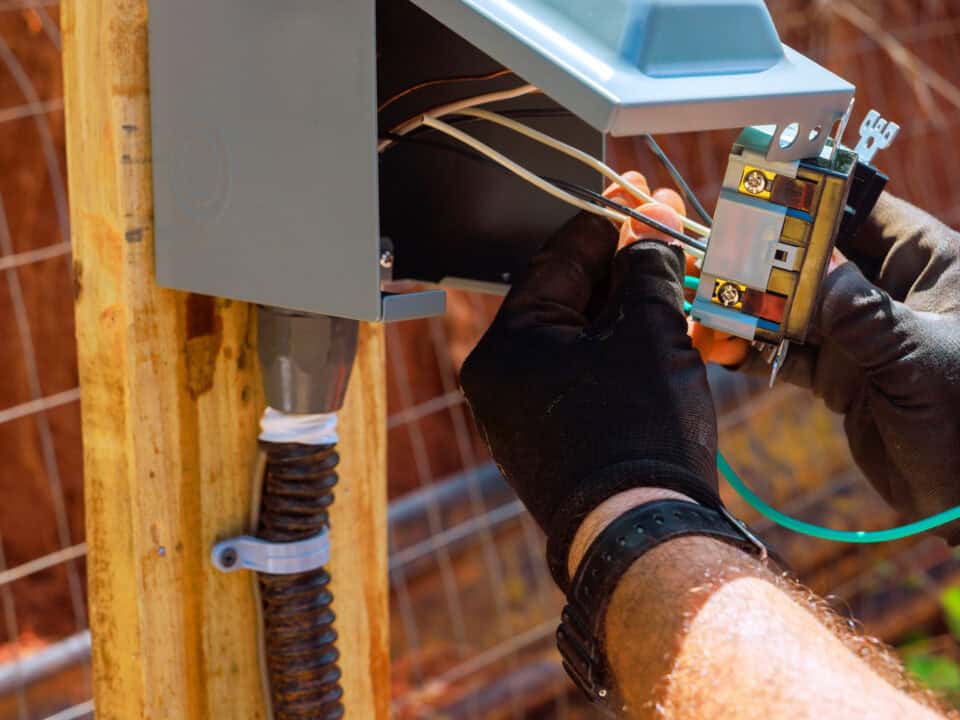
Closer scrutiny of building condition. Underwriters want to know the age and condition of roofs, plumbing, electrical, and HVAC. Older properties and deferred maintenance get more questions, and sometimes restrictions or higher deductibles.
Questions about water damage. Water losses remain one of the most frequent and costly claim types for multifamily. Expect questions about pipe materials, water shutoff protocols, leak detection, and how quickly your team responds to maintenance requests. The severe freeze damages that have occurred in the past few years have put more focus on this type of claim.
Focus on valuation. Construction and labor costs have changed the math on replacement value. If your insured values haven’t been updated recently, you may be underinsured, or an underwriter may adjust them for you. Many underwriters have property programs that have set dollar amounts for valuation. The policies will contain an “agreed amount” endorsement that sets a replacement cost subject to the total amount carried.
Deductible and coverage structure changes. Percentage-based wind/hail deductibles, water damage sublimits, and exclusions for certain building features can show up at renewal. Read the terms closely, not just the premium. If in doubt, ask the agent. Many times the deductible format is interpreted differently than it might appear.
Liability underwriting. For habitational risks, underwriters look at security, lighting, pool and amenity safety, tenant screening, and your claims history. Umbrella and excess capacity can also be tighter than expected. Many carriers are putting unique exclusions on policies. This can also create some issues with what a mortgage company is requiring.

How to Come Prepared
A strong submission tells a story: this is a well-managed portfolio. Gather these items now:
- Updated statement of values (SOV) with accurate unit counts, square footage, year built, construction type, and occupancy
- Five years of currently valued loss runs for each property, with notes on what was done to prevent repeat losses. It helps to understand what causes claims.
- Roof details: age, material, and any recent replacements or repairs. Find out from previous owners if a property is a recent purchase
- System updates: plumbing, electrical, and HVAC upgrades, with dates
- Capital improvements completed or planned, including renovations in progress. Underwriter will want to know what is being done to improve the insurability of a property,
- Safety and security measures: cameras, access control, lighting, and pool or amenity protocols. This can affect the liability exposure more than the property exposure.
Why Starting Early Matters
Early preparation gives us time to market your program to more carriers, negotiate on structure and not just price, and flag problems while there’s still time to fix them. Rushed renewals leave you with fewer choices and less leverage.
It also gives you room to ask the bigger questions. Are your limits adequate? Is your deductible strategy right for your cash flow? Would a portfolio approach serve you better than property-by-property placement?
Let’s Get Started
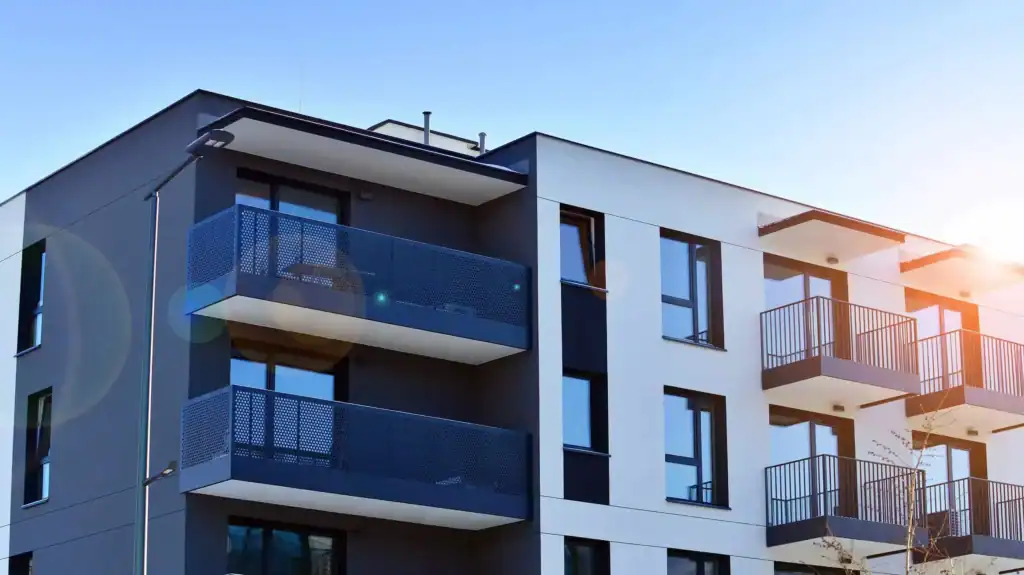
Ramey King Insurance works with multifamily owners and operators to build submissions that put their properties in the best light. If you have a Q4 or Q1 renewal coming up, reach out today and we’ll start with a no-obligation review of your current program.